
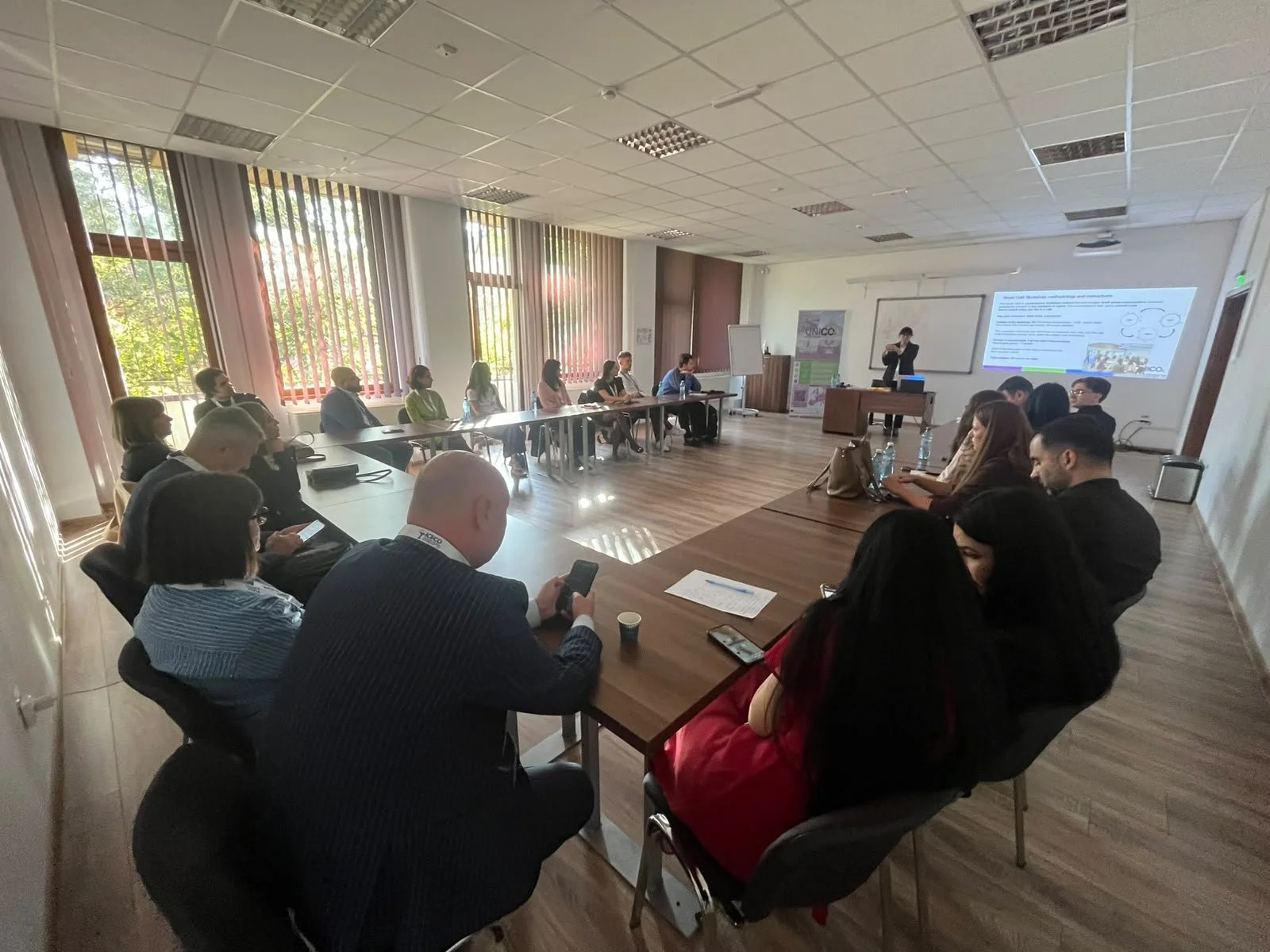
As part of the Erasmus+ UNICO Project which aims to accelerate the transition of higher education campuses toward net-zero emissions, the Bucharest University of Economic Studies (ASE) hosted its co-creation workshop “Capacity building and engagement for net zero on campus” https://iceco.ase.ro/iceco-programme.pdf on October 8, 2026. Organized within the framework of the International Conference on Economics - Challenges and Opportunities, the event focused on capacity building, stakeholder engagement, and collective strategy design to advance ASE’s climate neutrality targets. er (low power/high interest), and (4) Monitor Only (low power/low interest).
Building capacity and engaging the ASE community
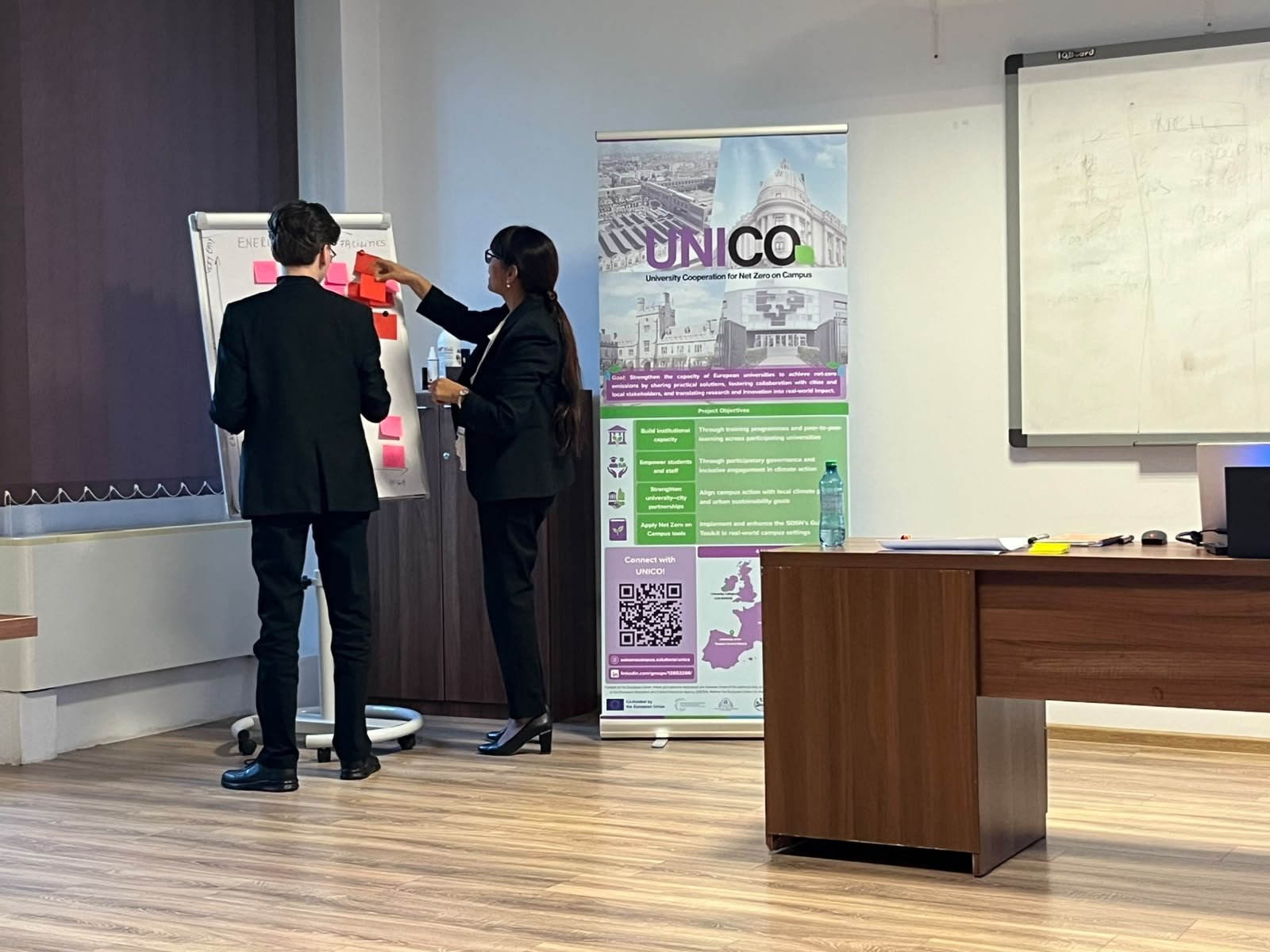
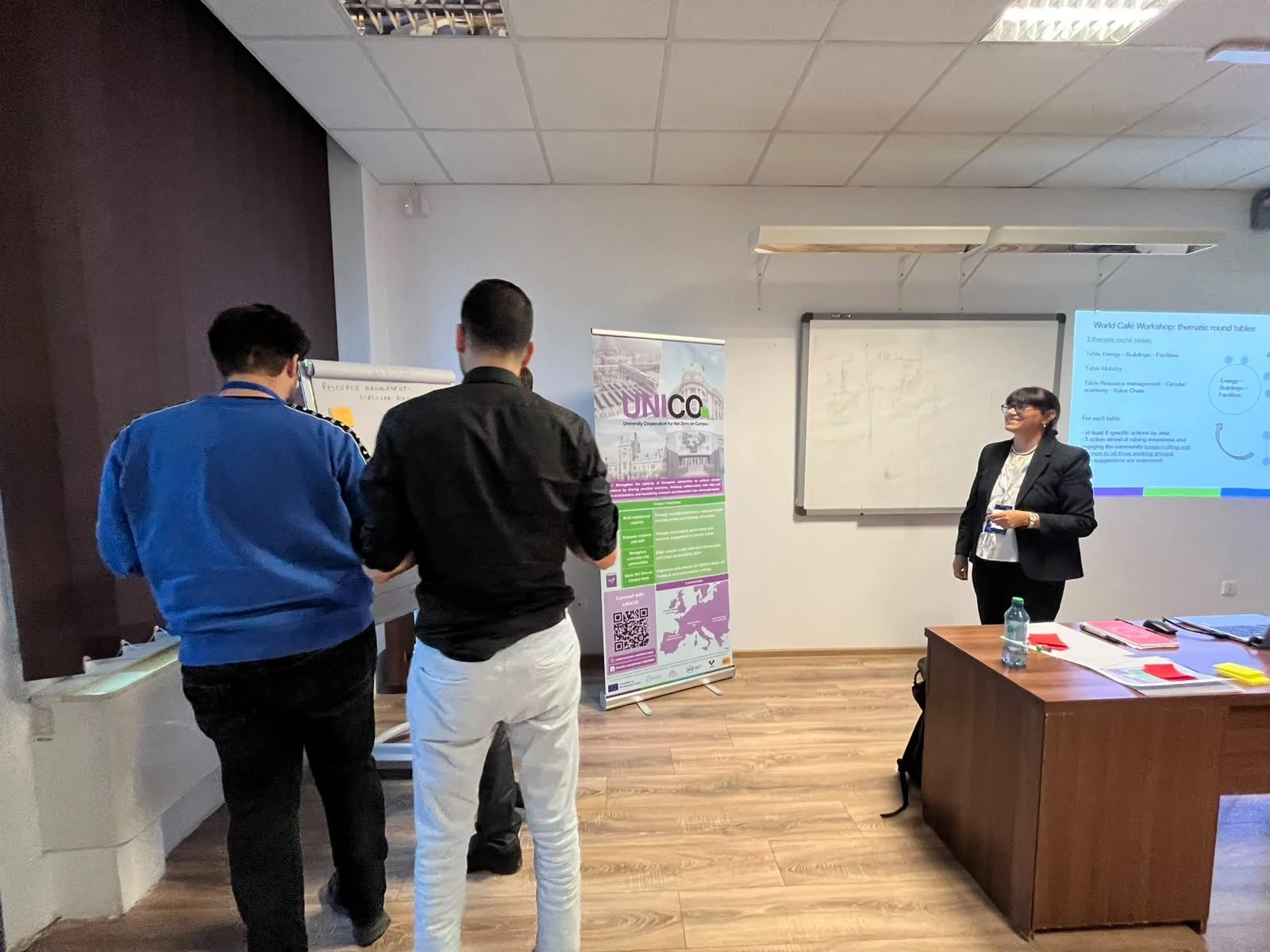
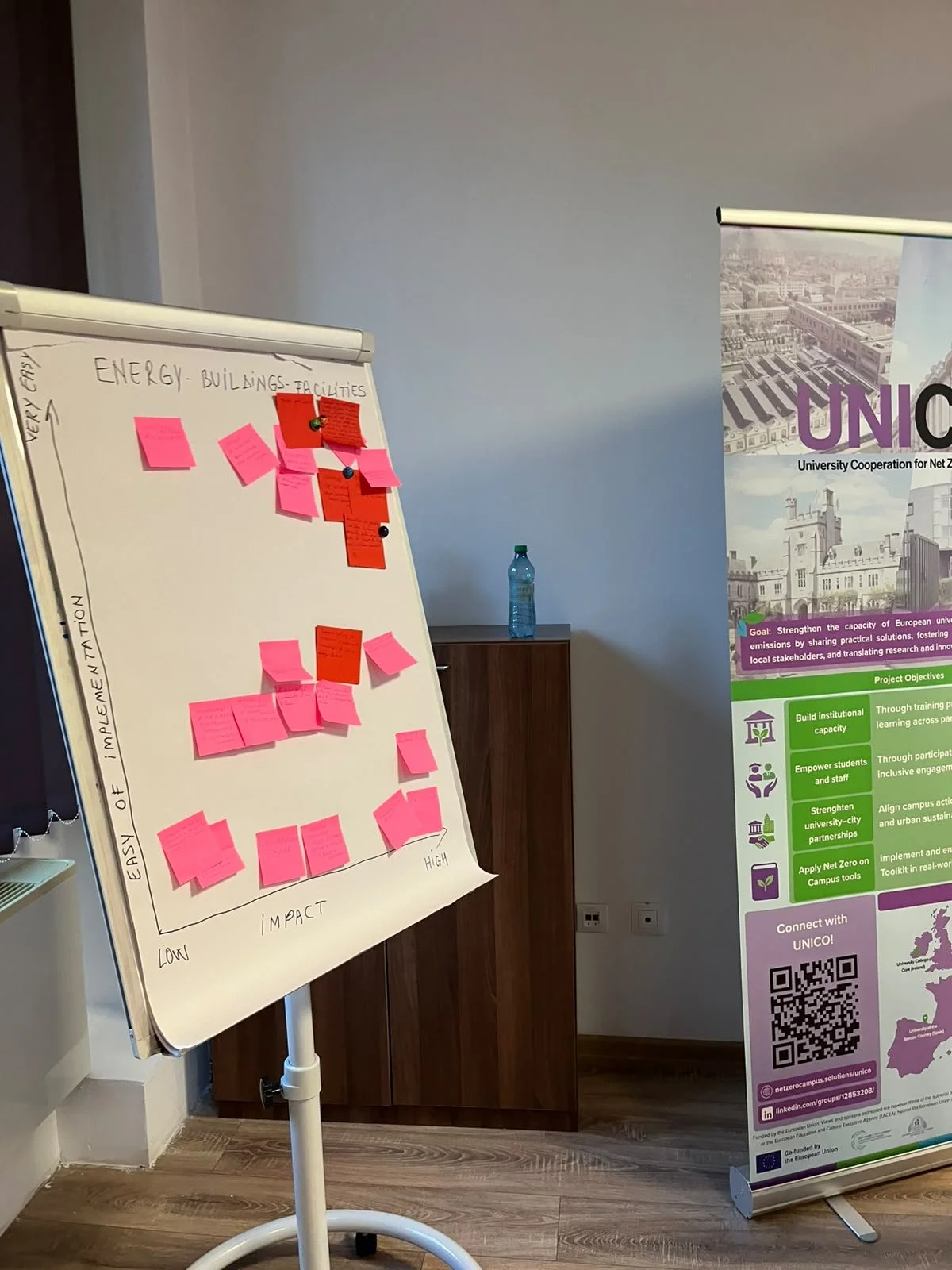
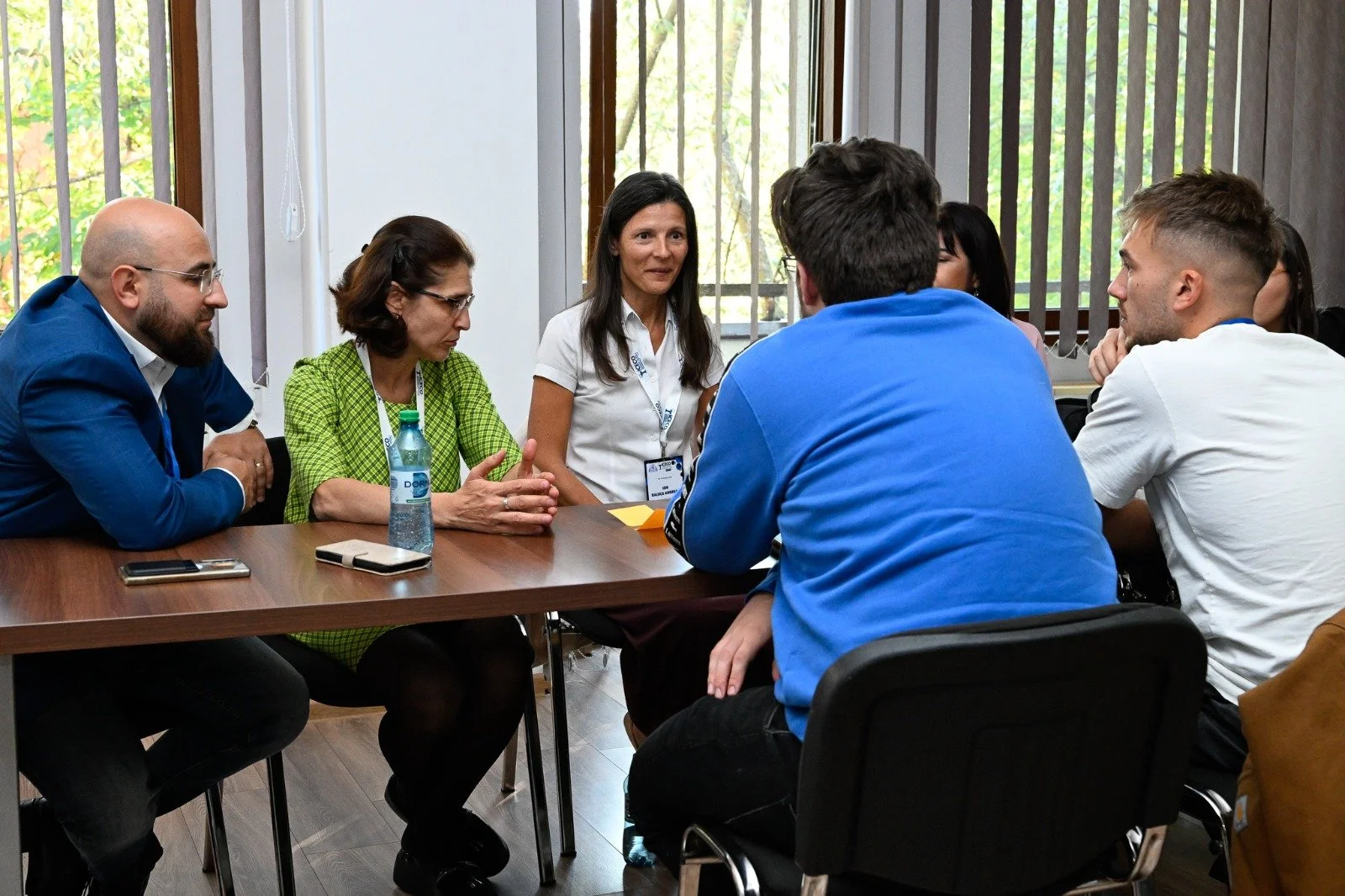
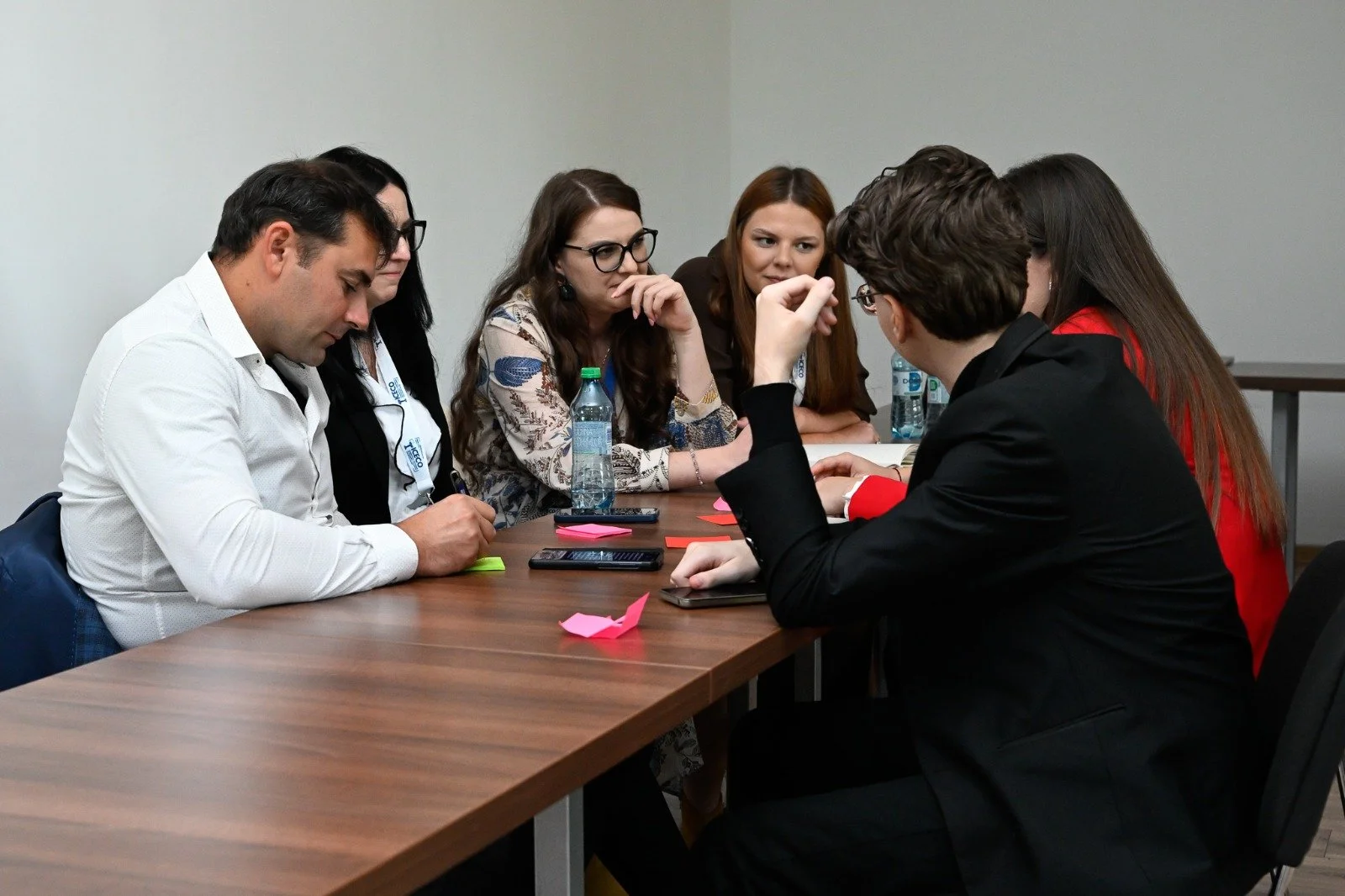
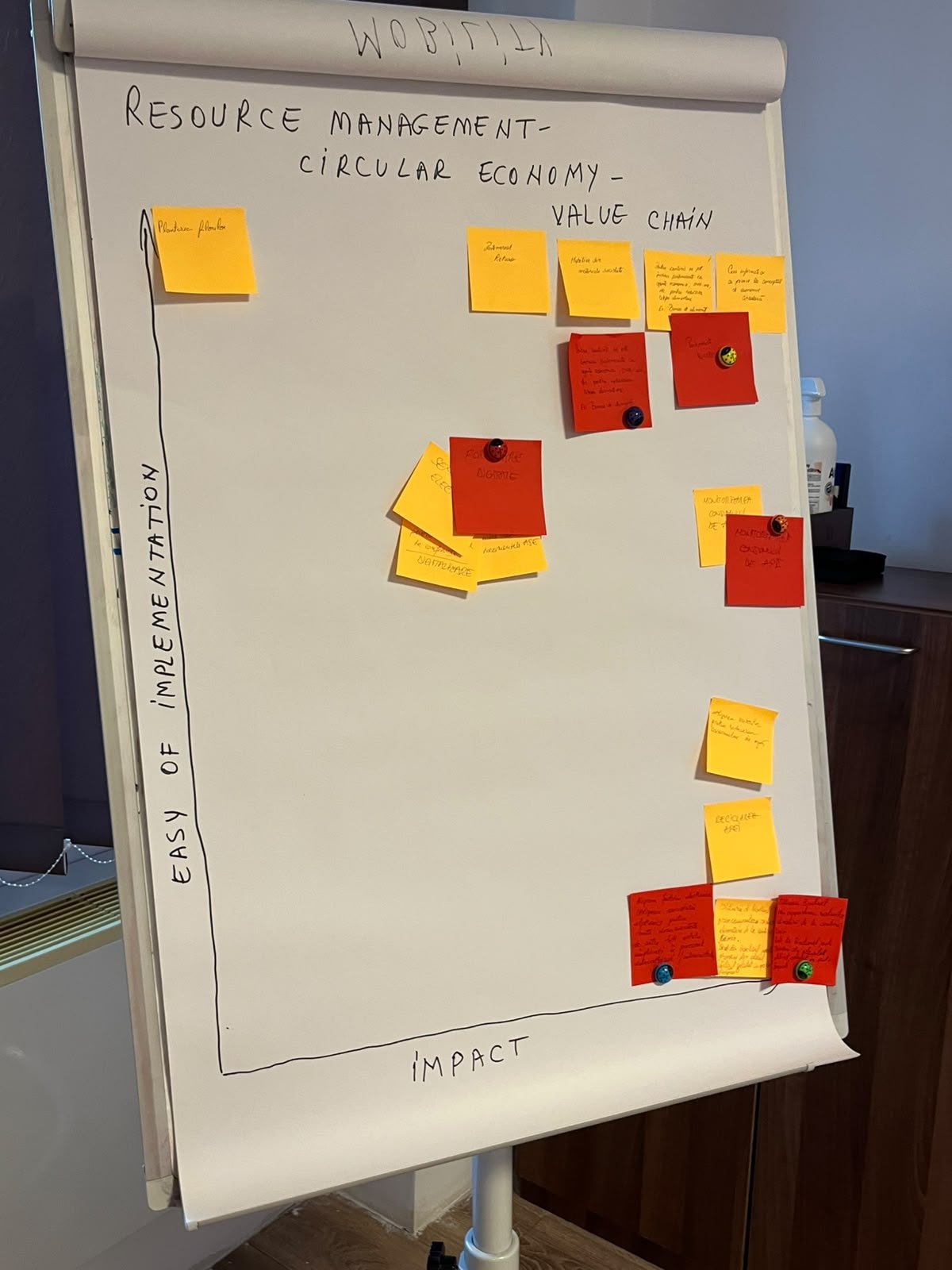
Bringing together a diverse group of participants including bachelor students, PhD students and academic staff, the interactive workshop created a collaborative framework to identify the appropriate measures and tools for a net zero campus, considering both the ease of implementation and the potential impact.
Utilizing structured co-creation format and dynamic group discussions, participants explored practical decarbonisation pathways tailored to ASE’s unique urban campus footprint in the central part of the city. The workshop focused on three main thematic pillars:
Energy, buildings, and facilities: optimizing energy use across university buildings, evaluating retrofitting strategies for historic campus structures, expanding renewable energy sources, and implementing smart building management systems.
Sustainable mobility: encouraging low-carbon commuting options, improving bicycle and micro-mobility infrastructure around campus, and reducing transport related emissions for students and staff.
Resource management, circular economy & value chain: advancing campus waste reduction, eliminating single-use materials, embedding circular economy principles in the daily university activities, and fostering sustainable habits across the university community.
Insights and emerging proposals
Discussions emphasized that achieving a net-zero campus requires both structural technical upgrades and active community participation. Participants put forward concrete ideas, including: installation of photovoltaic panels, monitoring of the CO2 emissions, use of energy, water, and heat sensors to monitor the consumption, promoting the use of bicycles, and providing parking facilities, encouraging the use of public transport for commuting, charging stations for electric vehicles, partnership for reducing the food waste, partnership with RetuRO, the company that is implementing the Deposit-Return System at national level, digitalisation of the administrative activities.
Beyond these proposals of a technical or collaborative nature, awareness or information campaigns, like campaigns to promote the responsible consumption of water and energy or awareness campaigns regarding the importance of reducing energy consumption, were considered initiatives that are easy to implement, but with a significant impact on the academic community.
From local ideas to broader impact
The findings and proposals gathered during the workshop will directly contribute to the ASE campus decarbonisation roadmap. Beyond local implementation, these results will be integrated into the broader UNICO peer learning and knowledge-exchange network, sharing insights with other partner institutions to build shared frameworks for campus sustainability. ASE continues to reinforce UNICO’s whole-institution approach, turning strategic climate ambitions into measurable, real-world action.
Receive updates about the UNICO Project and the Net Zero on Campus Initiative by joining the LinkedIn Community or by subscribing to the biannual newsletter.
